
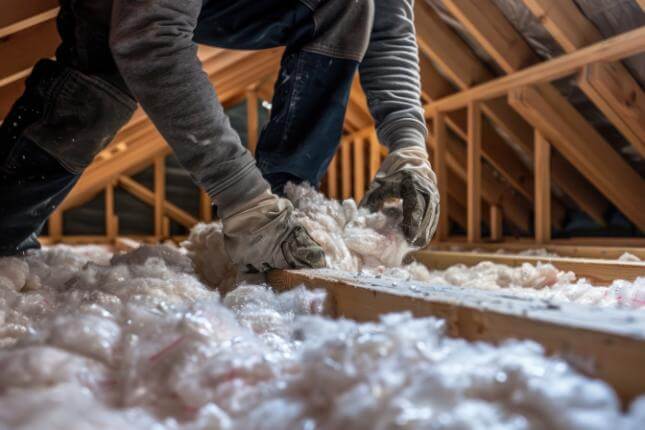
Fiber Glass Insulation Removal
Enquire Today For A Free No Obligation Quote
At Fiber Glass Insulation Removal, we specialise in the safe and thorough removal of fiberglass insulation, using HEPA-filtered vacuums, full PPE, and waste transfer compliance to ensure a clean, legal, and low-disruption process.
Whether you’re upgrading your loft insulation, preparing for loft boarding, or addressing water damage or contamination, we deliver a fast and certified solution for your insulation removal needs.
Fiber glass insulation removal is the process of professionally extracting fiberglass insulation from lofts, cavities, or walls where it has become ineffective, contaminated, or no longer meets modern energy standards.
Request a free quote for our specialised fiberglass removal company today.
What Is Fiber Glass Insulation?
Fiber glass insulation refers to a thermal insulation material made from fine strands of glass, formed into rolls or batts and installed in lofts, wall cavities, or between floor joists.
It insulates by trapping pockets of air between the fibers, slowing down heat transfer in both directions.
Although cost-effective, fiberglass can degrade over time, particularly when exposed to moisture, pests, or poor ventilation.
It is also known to cause irritation to the skin and lungs if handled without protection, making professional removal strongly recommended.
Why Would Fiber Glass Insulation Need to Be Removed?
Fiber glass insulation may need to be removed when it becomes compacted, wet, mouldy, rodent-contaminated, or when it no longer complies with updated building regulations.
Over time, insulation can settle under its own weight or be disturbed by foot traffic, reducing its thermal resistance.
Leaks from roofing or pipes can also saturate the fiberglass, leading to loss of insulation value and potential health hazards.
Removal is often necessary before upgrading to modern insulation types such as spray foam or rigid PIR boards, or before loft boarding or conversion.
How Much Does Fiber Glass Insulation Removal Cost?
The cost of removing fiberglass insulation typically ranges from £400 to £1,000.
The cost depends on the loft size, depth of insulation, and the condition of the material.
For a standard UK semi-detached home with a moderately filled loft, you can expect an average cost of £500 to £750, including full labour, vacuuming, bagging, and certified waste disposal.
Additional charges may apply if the insulation is contaminated, wet, or difficult to access, which may require specialist handling or prolonged removal times.
We offer free surveys and fixed quotes to ensure transparency and clear expectations.
Is the Removal Process Messy or Hazardous?
Fiber glass insulation removal can be hazardous if not handled properly, as disturbed fibers can become airborne and cause irritation to the eyes, skin, and respiratory system.
To minimise this risk, our team uses professional-grade PPE, industrial vacuums with HEPA filtration, and sealed waste bags to contain all debris and airborne particles.
The process is designed to keep your home clean and safe throughout, with protective sheeting used around access points to prevent dust migration.
We leave your loft clear, vacuumed, and ready for the next stage, whether that’s new insulation, boarding, or inspection.
How Long Does Removal Take?
The removal of fiberglass insulation from a standard loft usually takes between 4 and 8 hours, depending on access, loft size, and insulation condition.
If the loft is partially boarded, has limited headroom, or contains debris or stored items, it may take longer to complete the process.
In most cases, the job is completed in a single day, allowing immediate access for follow-up work or inspection.
Our team arrives fully equipped and works efficiently to minimise disruption while maintaining high safety and cleanliness standards.
What Are the Benefits of Professional Fiber Glass Insulation Removal?
Removing fiberglass insulation professionally provides a clean, safe, and regulation-compliant foundation for your next insulation or loft upgrade.
The key benefits include:
- Improved air quality – Reduces airborne glass fibers, allergens, and dust that can affect breathing and indoor comfort
- Safer home environment – Prevents contact with degraded or contaminated insulation that may pose health risks
- Better energy efficiency – Clears the space for modern, high-performance insulation materials that meet today’s energy standards
- Moisture and pest control – Removes material that may be harbouring mould spores, dampness, or rodent nests
- Prepares for boarding or conversion – Ensures the loft is level, clear, and properly ventilated for further works
- Legal and environmental compliance – Ensures all waste is disposed of through licensed carriers with correct documentation provided
Can Fiber Glass Be Reused or Recycled After Removal?
Fiber glass insulation removed from homes generally cannot be reused or recycled, as it often contains dust, moisture, or contaminants that make it unsuitable for reinstallation.
Even if the material appears clean, the structure of the fibers may be compromised, which significantly reduces its thermal efficiency and long-term performance.
As of this, all removed insulation is treated as construction and demolition waste and must be disposed of via a licensed waste transfer facility.
Recycling options for fiberglass in the UK are currently limited, which is why compliant disposal remains the safest and most environmentally responsible option.
What Should I Do After Fiber Glass Is Removed?
Once the fiberglass insulation has been safely removed from your loft or cavity, it’s important to assess the space before proceeding with new materials.
You may wish to check the condition of roof timbers, joists, ventilation paths, or electrical wiring while the loft is clear and fully accessible.
We recommend installing new insulation as soon as possible to prevent heat loss, but only after ensuring the space is dry, clean, and free from pests or mould.
Our team can provide guidance on the best follow-up materials and even offer an installation package to streamline the process.
Is Fiber Glass Removal Required Before Spray Foam Installation?
Removing existing fiberglass insulation is strongly recommended before installing spray foam insulation, as leaving it in place can trap moisture and reduce effectiveness.
Spray foam requires direct contact with the loft floor or rafters to form an airtight seal, and fiberglass left underneath can prevent proper adhesion.
Retaining fiberglass may also interfere with foam expansion, reduce energy efficiency, or create ventilation issues in certain roof systems.
For best results, spray foam should be applied only to clean, dry, and unobstructed surfaces after full removal of any previous insulation layers.
Can Fiber Glass Insulation Removal Help With Allergy Symptoms?
Professional fiber glass insulation removal can help reduce allergy symptoms by eliminating dust, airborne particles, and irritants that may be present in degraded insulation.
Over time, fiberglass can break down and release fine fibers that contribute to poor air quality and trigger respiratory conditions such as asthma or allergic rhinitis.
Old insulation may also harbour pollen, pet dander, mould spores, or rodent waste, which can further exacerbate allergic reactions.
Removing the material and thoroughly cleaning the loft space provides a safer, more breathable environment, particularly for sensitive occupants or children.
Do You Offer Emergency Fiberglass Removal?
We can offer emergency or fast-track fiberglass removal services, especially when insulation has become soaked due to a leak or burst pipe.
Immediate removal is critical in these situations to prevent mould formation, timber decay, or electrical hazards from prolonged moisture exposure.
Our team can prioritise urgent callouts based on property condition and access, and we are equipped to carry out same-day or next-day service when scheduling allows.
If your home has suffered water damage, we also recommend a follow-up inspection to ensure all affected insulation has been safely cleared and that the loft is ready for re-insulation.
Can You Remove Fiber Glass Insulation from Between Floor Joists?
We offer removal of fiberglass insulation from between floor joists, particularly in suspended floors, timber-framed buildings, or period properties.
Over time, fiberglass installed in floor voids can sag, absorb moisture, or become compressed due to foot traffic or structural shifting.
If insulation is holding dampness or restricting subfloor ventilation, it may contribute to condensation or rot, especially in older properties without a damp-proof membrane.
Removing fiberglass from floor cavities also provides the opportunity to assess pipework, joist condition, or install new soundproofing and energy-efficient materials.
Is Fiber Glass Removal Necessary Before a Loft Conversion?
Fiber glass insulation must usually be removed before beginning a loft conversion, especially if you are planning a habitable room or dormer extension.
The insulation often sits above joist level and will interfere with flooring, partition walls, electrical runs, or fire-rated installations required under UK building regulations.
Leaving fiberglass in place can cause airflow blockages and moisture retention, which are both incompatible with warm roof construction or vapour barrier systems.
We clear the entire loft area as part of pre-conversion preparation, allowing builders, electricians, and surveyors to start with a clean and accessible space.
Can Fiber Glass Insulation Be Removed from Industrial or Commercial Buildings?
We carry out fiberglass insulation removal for commercial units, warehouses, retail premises, and industrial buildings of various sizes.
Large-scale fiberglass insulation in ceilings, suspended voids, or internal partition walls may degrade or become contaminated with dust, oil vapour, or rodent activity.
In commercial settings, removal must follow stricter health and safety protocols, including working at height, method statements, and waste documentation for audit compliance.
We are equipped to handle both small and large-scale removal projects with appropriate risk assessments and commercial insurance in place.
Can You Remove Fiberglass That Has Been Installed Over Electrical Wiring?
Fiberglass insulation that has been laid directly over wiring in lofts or cavities can be safely removed by our trained team.
In many older installations, fiberglass was placed across lighting cables or junction boxes without consideration for ventilation or heat build-up.
Overheating risks increase significantly when insulation surrounds wiring, particularly with older circuits that may not meet current electrical load standards.
We remove insulation carefully and report any visible wiring concerns to your qualified electrician, ensuring the space is both safe and compliant before new insulation is added.
Do You Offer a Clean-Up Service After Removal?
Every fiberglass removal service includes a full clean-up phase using industrial vacuum systems with HEPA filtration to remove loose fibers, dust, and residue.
We don’t just extract the bulk material, we also clean the joists, sarking, and access routes to ensure the entire space is ready for re-insulation or inspection.
Protective sheeting is laid in access areas, and all materials are double-bagged and sealed before being carried through the property.
Our goal is to leave the site cleaner than we found it, with minimal disruption and no trace of hazardous particles.
Can You Remove Fiberglass That Has Been Contaminated by Rodents?
We frequently carry out the removal of fiberglass insulation that has been contaminated by rodent activity, such as droppings, nesting, or urine staining.
Rodents often tunnel through or nest within insulation rolls, which causes physical disruption to the material and creates serious hygiene and health concerns.
Contaminated insulation can emit unpleasant odours, harbour bacteria, and spread allergens, especially when disturbed during property maintenance or routine inspection.
In such cases, we wear full PPE, use sealed bag systems, and thoroughly disinfect the loft area before recommending suitable replacement insulation.
Is It Safe to Remain in the House During Removal?
It is safe to remain in your home during fiberglass insulation removal, although you may be advised to stay clear of the loft access area.
All of our technicians use negative pressure equipment and HEPA-filtered vacuums to contain airborne fibers and prevent dust from entering habitable rooms.
Access points such as loft hatches are sealed with protective sheeting, and flooring routes are covered to reduce disruption and maintain hygiene standards.
We also offer flexible scheduling if you prefer to vacate the property during removal and return once cleaning is complete.
What Happens If the Fiberglass Is Wet or Mouldy?
If fiberglass insulation in your loft is wet or shows signs of mould growth, it must be removed immediately to avoid further structural and health risks.
Moisture retention within fiberglass can lead to timber decay, metal corrosion, and the spread of airborne mould spores throughout the property.
In these cases, we use double-bagged removal methods and may recommend additional drying or mould treatment before re-insulating.
Affected areas are cleaned using anti-fungal sprays or specialist equipment if needed, and we ensure the environment is safe before any upgrades take place.
Do You Provide Waste Transfer Documentation?
Every fiber glass insulation removal job is followed by the issue of a waste transfer note to confirm responsible and legal disposal.
This document proves that the removed insulation has been handled by a licensed waste carrier and deposited at a registered transfer facility in accordance with UK environmental regulations.
This is especially important for landlords, letting agents, or property developers who need to demonstrate compliance as part of building upgrades or refurbishment projects.
We retain copies of all waste documentation for our records and can provide them digitally upon request.
Can You Advise on Which Type of Insulation to Install After Removal?
Once fiberglass insulation has been removed from your loft or cavity, we can assess the space and recommend a suitable modern replacement.
Depending on your budget, property type, and energy efficiency goals, we may suggest spray foam, PIR board, blown cellulose, or multifoil alternatives.
We take into account ventilation needs, access, fire safety, and long-term performance before offering tailored options with estimated costs and installation times.
This ensures that your property benefits from a complete solution—not just removal, but full preparation for future thermal improvement.
Expert Fiber Glass Insulation Removal
Whether you’re upgrading your insulation, preparing for a loft conversion, or simply addressing a health concern, professional fiberglass removal ensures a clean start.
At Fiber Glass Insulation Removal, we handle every part of the process, from initial assessment and removal to clean-up and disposal, with trained technicians, compliant methods, and respect for your property.
We’re fully insured, registered waste carriers, and experienced in removing fiberglass insulation safely from homes of all sizes and beyond.
Contact us today for a free, no-obligation quote and take the first step toward a warmer, cleaner, and healthier loft space.
Find More Info
Make sure you contact us today for a number of great fiber glass insulation removal services.
For more information on Fiber Glass Insulation Removal, fill in the contact form below to receive a free quote today.
★★★★★
I was really impressed with how tidy and professional the team were from start to finish. They removed all the old fiberglass from our loft without leaving a speck of dust behind and even provided the waste certificate straight after. Absolutely worth the peace of mind knowing it was done safely and properly.
Jonathan Keane
Greater London
★★★★★
The whole process was quick, efficient, and far less disruptive than I expected. The team explained everything clearly and left the loft spotless, ready for the new insulation to go in. Brilliant service and excellent communication throughout.
Amelia Draycott
Greater London